Rekeying and replacing a lock solve different problems. Rekeying changes which key operates a compatible cylinder while keeping most of the installed hardware. Replacement removes the existing hardware and installs a different lock. Both can restore access control, but only replacement changes the lock's design, finish, features, or overall condition.
The best choice starts with three questions: Is the current lock mechanically sound? Do you need old keys to stop working? Do you want a different capability, such as a keypad or a stronger, better-fitting deadbolt? An on-site inspection can answer compatibility questions that are difficult to settle from a brand name or photo alone.
Key takeaways
- Rekeying changes key access but does not repair worn or poorly fitting hardware.
- Replacement makes sense when the lock is damaged, incompatible, or missing a feature you need.
- Keying several doors alike requires compatible cylinders and keyways.
- Door alignment and strike fit matter just as much as the lock itself.
What rekeying does and does not change
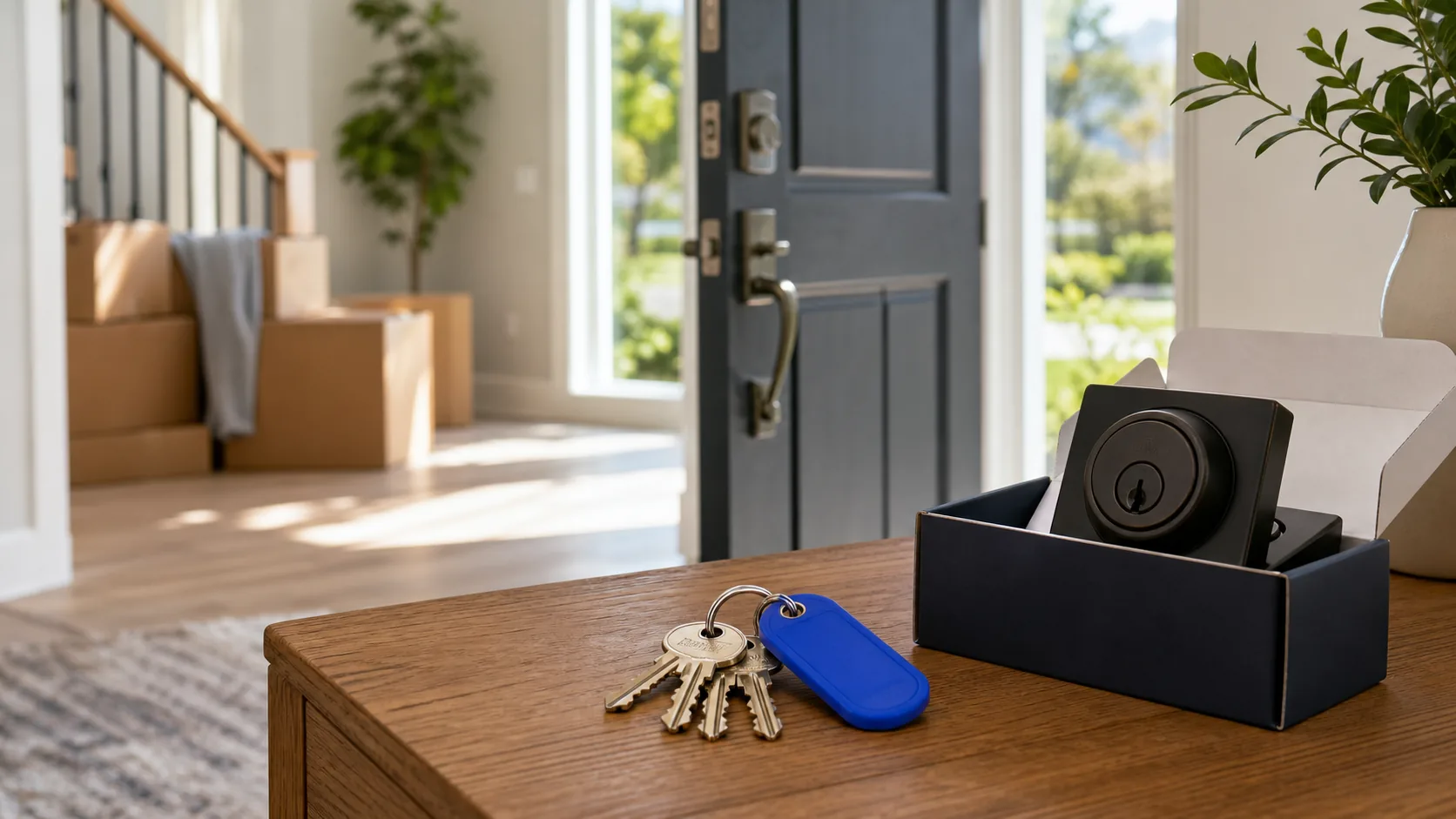
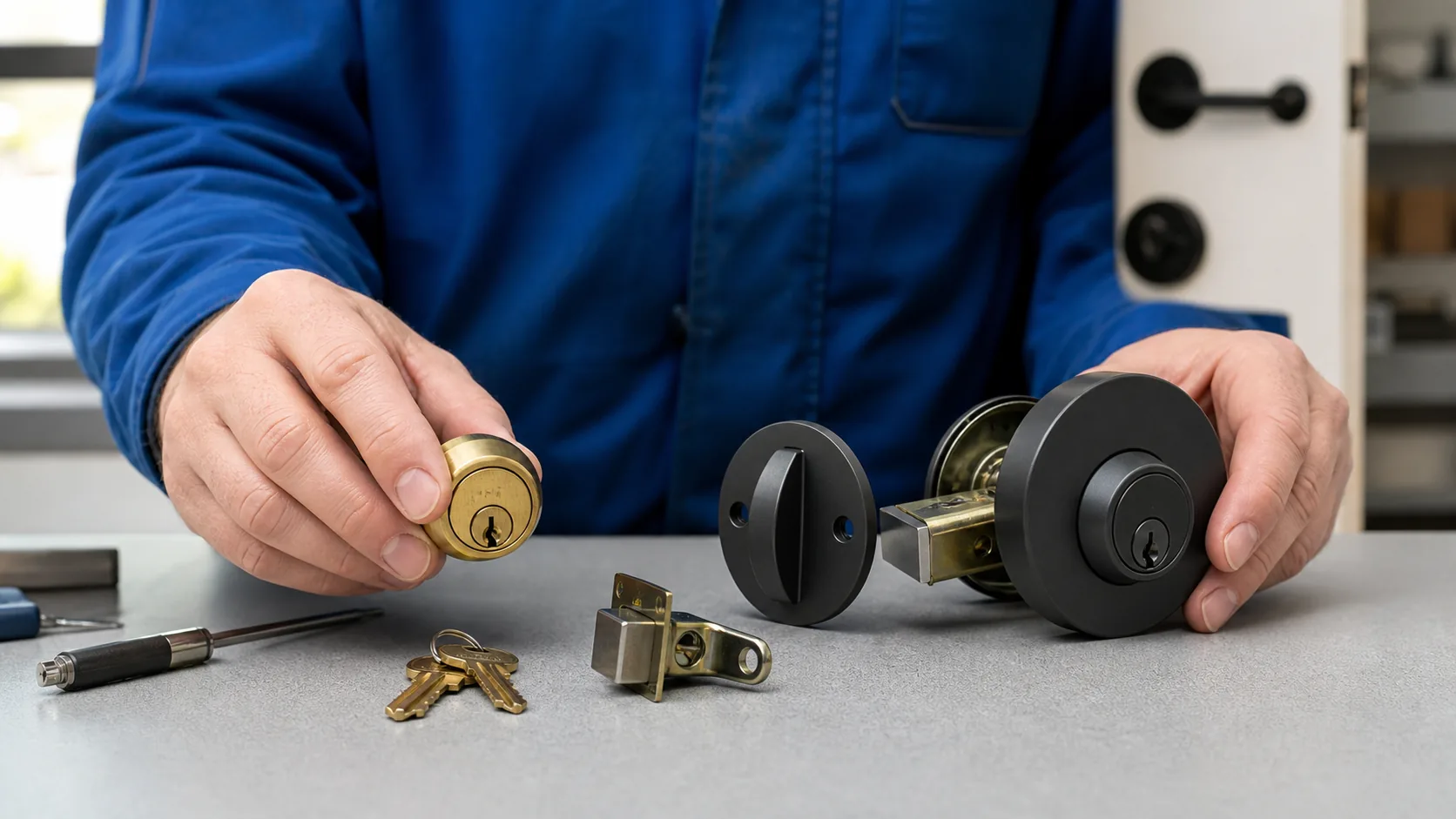
During a rekey, a locksmith changes the working combination inside a compatible cylinder and supplies a key for the new configuration. Old keys should no longer operate that rekeyed cylinder. The exterior trim, latch, deadbolt body, and finish usually stay in place, which makes rekeying a practical choice when the hardware works well and the main goal is new key control.
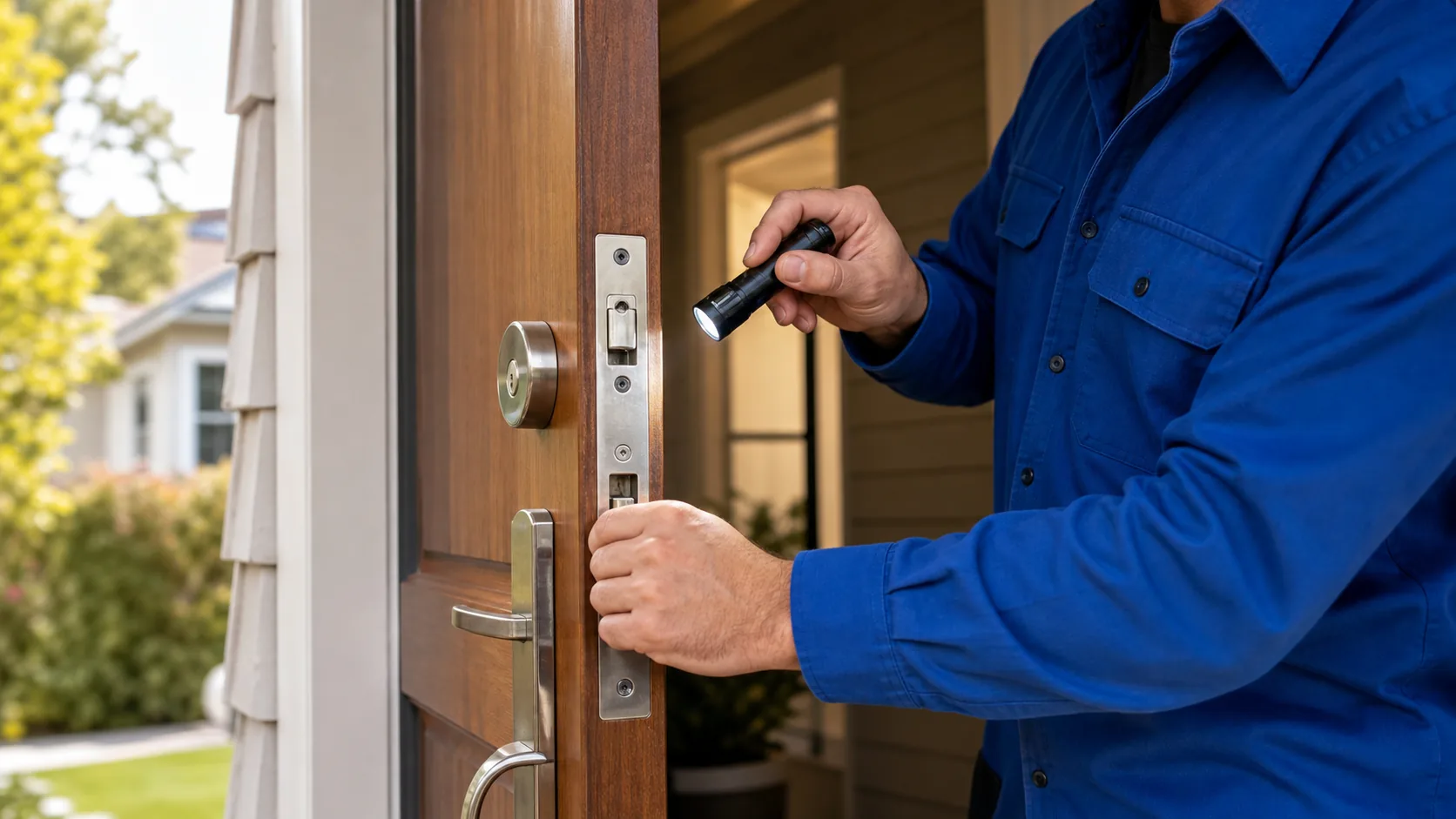
Rekeying does not correct every mechanical issue. A loose lever, cracked housing, severely worn cylinder, misaligned strike, or deadbolt that cannot extend freely may need repair or replacement. It also does not turn a basic lock into a smart lock or add features the existing hardware lacks. A complete assessment should include the door, frame, hinges, latch, and strike rather than the key cylinder alone.
Situations that often favor rekeying
Rekeying is often worth considering after moving into a home, a tenant or roommate change, an employee departure, or a lost key when the installed locks are still serviceable. It can also simplify a household that has accumulated several keys, provided the cylinders share compatible keyways and can be configured to work with one key.
Start by counting every relevant cylinder, not just every door. A front entry may have both a knob and deadbolt; a side door, garage entry, gate, or detached space may use different hardware. Decide which people should access which openings. That small key plan prevents accidental changes and helps the locksmith determine whether keying doors alike is feasible.
- A move or occupancy change with good existing hardware
- A missing key that should no longer work
- Several compatible locks you want to operate with one key
- A practical access reset without a cosmetic hardware change
Situations that often favor replacement
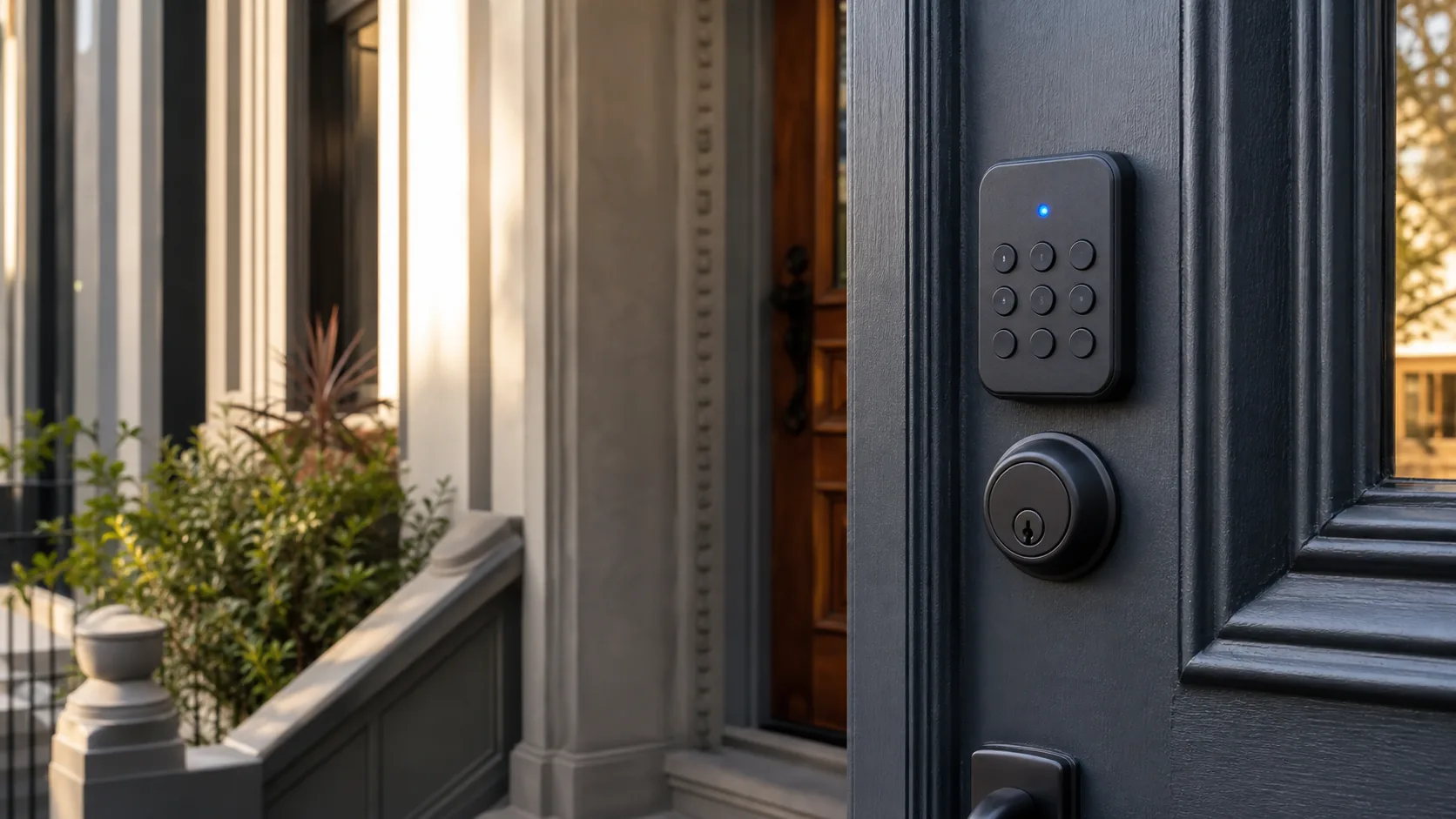
Replacement is usually the clearer path when hardware is broken, badly worn, corroded, incomplete, or unsuitable for the door. It also makes sense when you want a keypad, connected lock, different finish, accessibility improvement, or another capability that cannot be added to the current lock. If the existing cylinder cannot be rekeyed to match the rest of the home, replacement may simplify the key plan.
New hardware still needs a sound installation. A deadbolt should extend without needing to push, lift, or pull the door into position. Screws, bore dimensions, backset, door thickness, and strike placement all affect fit. Older San Francisco homes can have settled wood doors, layers of paint, nonstandard prep, or mixed hardware from past renovations, so measuring and alignment work may be part of the job.
Compare the whole opening, not just the cylinder
Test each door while it is open and while it is closed. If the lock turns smoothly when open but binds when closed, alignment is likely contributing to the problem. If the key is difficult in both positions, the cylinder or key may be worn. Avoid adding heavy lubricant or forcing the key without knowing what the manufacturer recommends; the wrong product can attract debris or mask a failing part.
Ask the locksmith to separate the estimate into rekeying, repairs or alignment, and any optional replacement hardware. That makes the tradeoffs visible. A lower-cost rekey is not a good value if the lock is near failure, while complete replacement is unnecessary when solid compatible hardware simply needs a new key combination.
Use a simple decision checklist
Choose the access goal first. If old keys must stop working and the lock is in good condition, ask about rekeying. If the hardware is unreliable or you need different functions, ask about replacement. If the door is rubbing or the bolt does not line up, include alignment or repair in either plan. For a smart lock, decide who owns the account and codes while preserving a sensible backup-entry plan.
Before approving work, confirm how many cylinders are included, how many keys will be provided, which doors will be keyed alike, and whether any hardware is excluded. Afterward, test every new key from both sides where applicable, label spares without writing the street address on them, and record who receives each key.
Frequently asked questions
Can all of my home locks be rekeyed to one key?
Only when the cylinders and keyways are compatible and in workable condition. Mixed brands, specialty locks, and some smart-lock backup cylinders may not match. A locksmith can inventory the openings and explain which ones can be keyed alike.
Should I rekey after losing a key?
Rekeying is worth considering when an unaccounted-for key operates an exterior door and the existing lock is compatible. Your circumstances determine the urgency; a locksmith can also check whether worn or damaged hardware should be repaired or replaced.
Does installing a smart lock eliminate the need to rekey?
Not necessarily. Many smart locks retain a mechanical key cylinder. If an old physical key is unaccounted for, ask whether that backup cylinder should be rekeyed as part of the installation.
Helpful next steps
Use these pages to compare services or request help for your specific door, lock, or key.