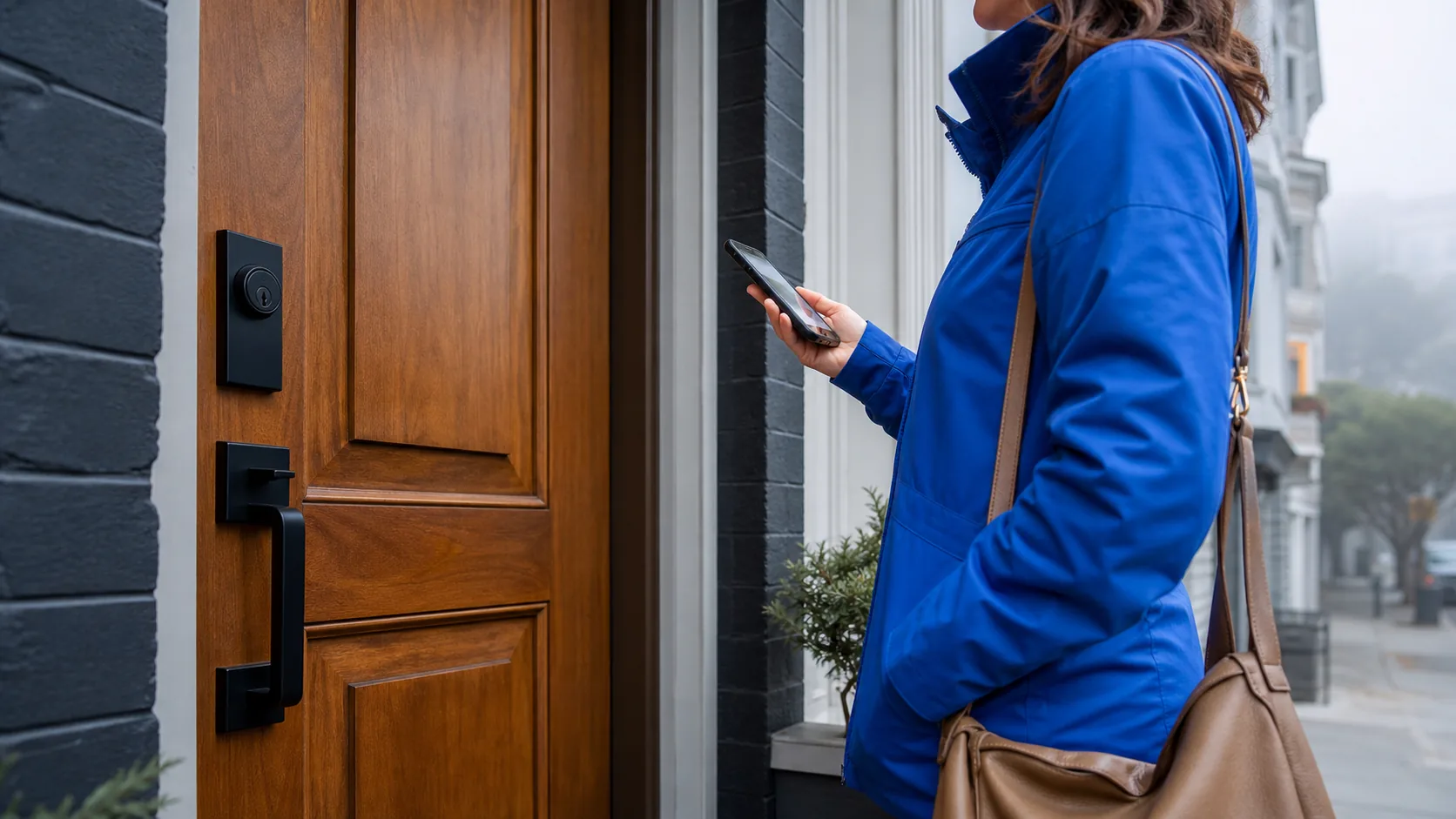
A lockout can turn an ordinary San Francisco day into a stressful one, especially when your phone battery is low, the weather is changing, or a child, pet, medication, or running appliance is involved. The best response is not to rush at the lock. It is to get safe, understand the situation, and choose the least damaging authorized way back inside.
This checklist covers home and apartment lockouts without offering risky entry tricks. Lock hardware varies, and improvised tools can damage the cylinder, door, weather seal, or frame while creating a more expensive repair. A few calm checks before calling can save time and help a locksmith bring the right equipment.
Key takeaways
- Move to a safe, well-lit place before troubleshooting or making calls.
- Use only authorized access options and do not force or dismantle the lock.
- Share the door, lock, location, and urgency details when requesting help.
- Expect access verification and approve the work before service begins.
Get safe and identify any immediate risk
Step away from traffic, steep stairs, dark entryways, and building doors that may close behind you. If you are at a street-facing entrance, choose a visible place where you can still meet the property manager or locksmith. San Francisco buildings often have separate gates, vestibules, and unit doors, so be clear about which barrier is actually locked.
Treat a child, vulnerable person, pet, active stove, smoke, medical issue, or unsafe environment as a safety problem rather than a routine lockout. Contact emergency services when there is an immediate threat to life or property. A locksmith handles access, but emergency responders are the right first call when delay itself is dangerous.
Check your authorized access options
Think through legitimate alternatives before arranging service. A household member may have a spare, a building manager may control a common entry, or a trusted contact may hold an authorized backup key. Renters can check the lease or building instructions for the stated after-hours contact. Do not enter through unsafe windows, fire escapes, roofs, or neighboring property.
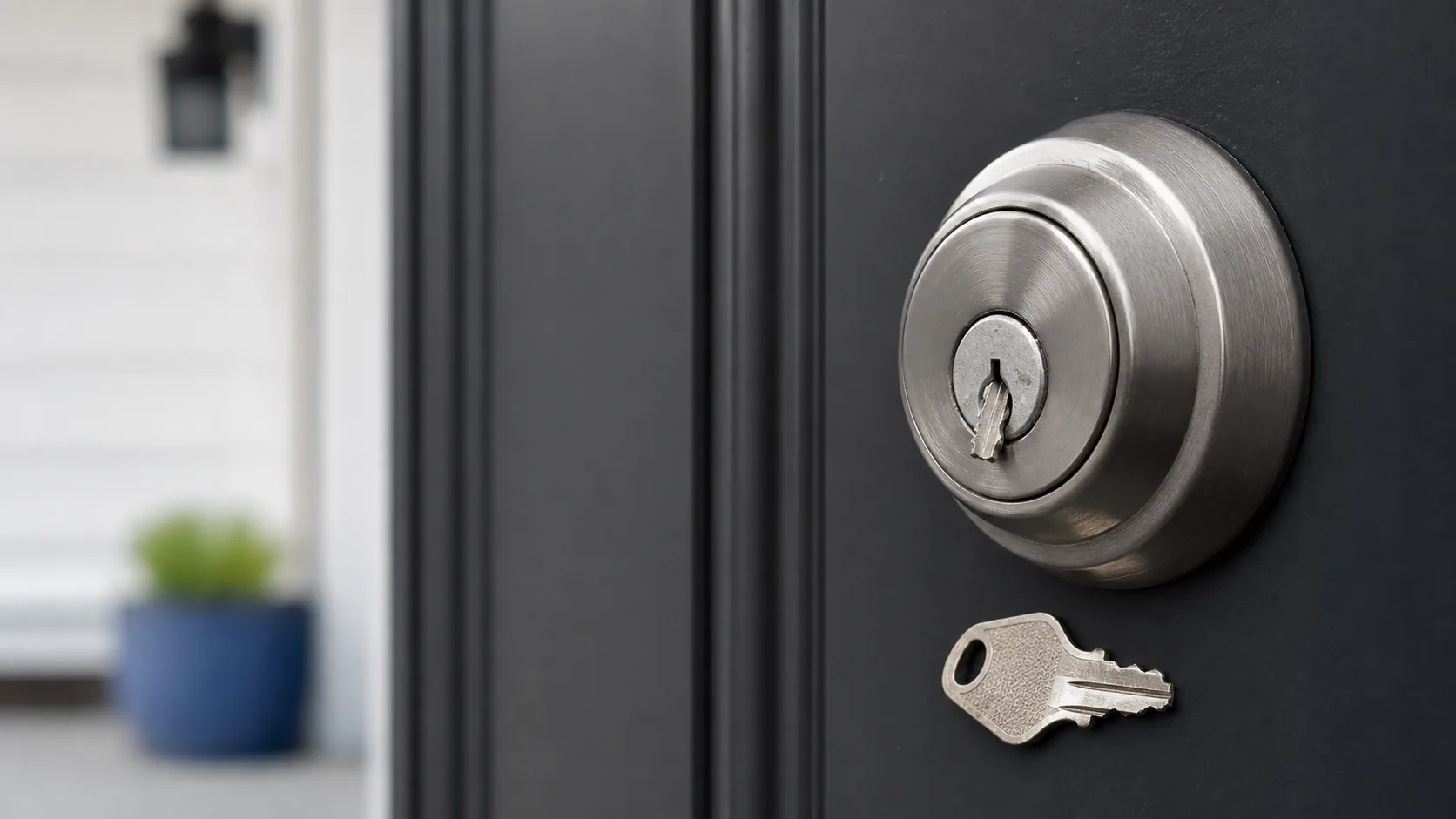
Confirm whether the problem is a missing key, a key left inside, a key that will not turn, or a latch that is not releasing. Also check whether you are at the correct entrance and whether another door you are authorized to use is normally available. Stop if a key bends, grinds, or begins to crack; forcing it can turn a simple access problem into a broken-key repair.
Prepare useful details before you call
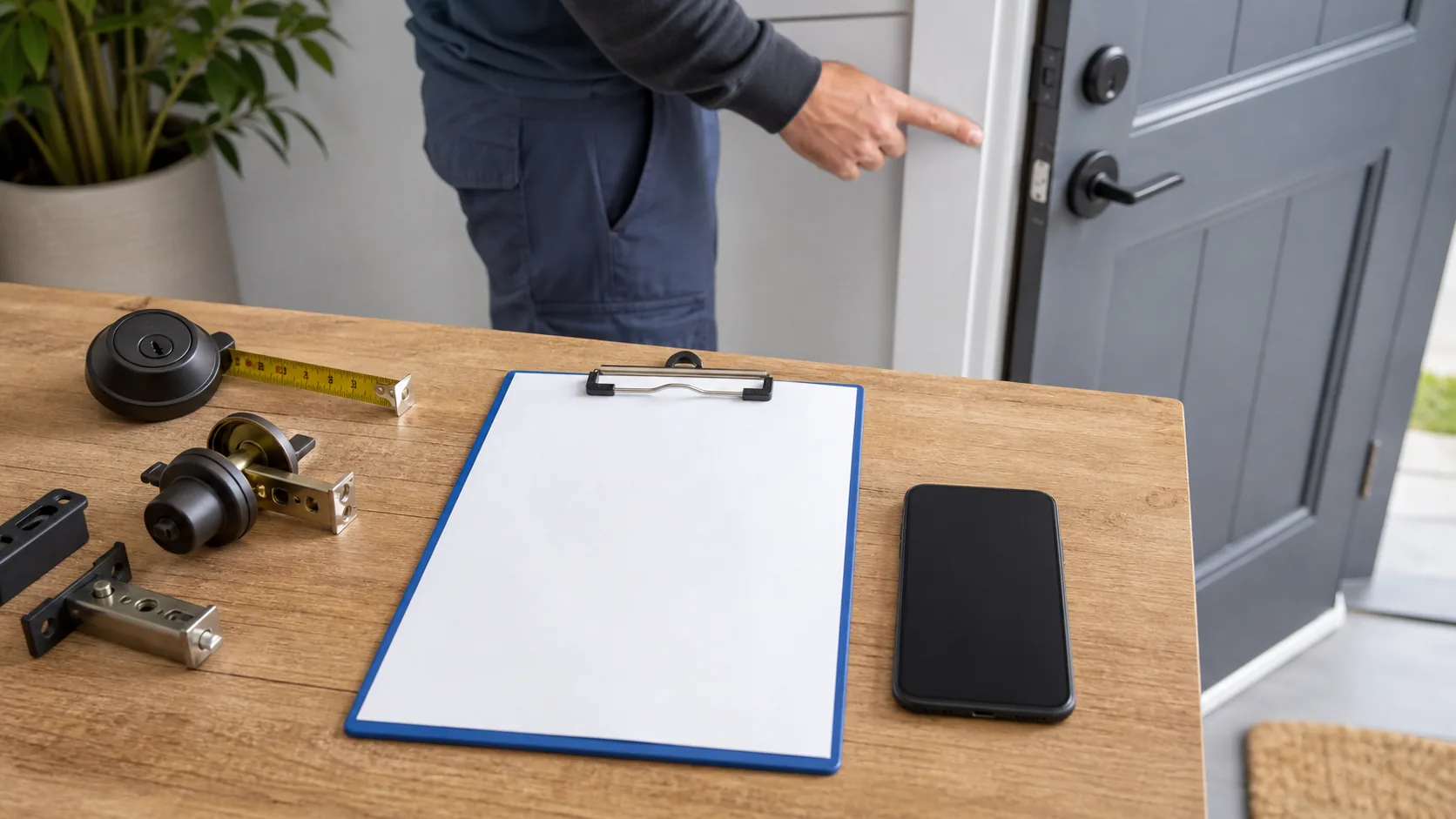
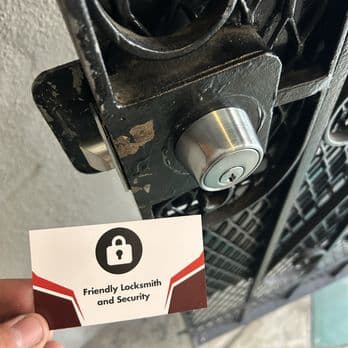
Give the exact address, a safe meeting point, and any gate, lobby, parking, or call-box instructions. Describe the door material and the visible lock: for example, a standard knob with a deadbolt, a keypad, a mortise-style apartment lock, or a storefront-style entry. A clear photo from outside can help with an initial assessment, but do not share access codes or sensitive documents over an unsecured channel.
Explain what happened and whether the lock was already sticking or loose. Mention urgency honestly, including weather exposure or accessibility needs. Ask whether the technician handles that type of opening, what identification will be required, how the estimate works, and whether possible repair or replacement would be discussed before it begins.
- Your name, callback number, address, and unit
- The exact door and visible lock type
- Whether the key is lost, inside, stuck, or broken
- Any building contact or access instructions
Know what to expect during service
A responsible locksmith should confirm that you are authorized to enter. Keep government identification, a lease, utility record, registration, property-manager confirmation, or another reasonable proof available. If your identification is inside, explain that during the call so an alternative verification plan can be discussed before the visit.
The technician should inspect the opening and explain an appropriate approach. Some functioning locks can be opened without replacing hardware, while failed, damaged, or higher-security components may need repair or replacement. Ask for the scope and price before authorizing work. After entry, test the latch and lock from both sides while the technician is present, and collect any new keys or receipts.
Reduce the chance of another lockout
Once the immediate problem is resolved, identify the cause. A lost key may justify rekeying so the missing key no longer operates the lock. A sticky deadbolt may point to door alignment or worn hardware. A self-locking door may need a better household routine. The right fix depends on the opening rather than on a one-size-fits-all upgrade.
Keep a spare with someone you trust instead of hiding one near the door. If you choose a keypad or smart lock, use unique codes, review access regularly, and keep the mechanical parts aligned and maintained. Save the building contact and a locksmith number in your phone, but still confirm current availability and scope whenever you need service.
Frequently asked questions
What proof should I have for a home or apartment lockout?
Bring identification and a document or contact that connects you to the address, such as a lease, utility record, mail, or property-manager confirmation. Requirements can vary with the situation, so describe what you have when you call.
Will a lockout always damage or replace the lock?
No. The outcome depends on the lock type, condition, and reason it will not open. A technician should inspect it, start with an appropriate low-damage option, and explain any repair or replacement before proceeding.
Should I use an online form for an urgent lockout?
Call for an urgent lockout so availability, location, lock type, and access verification can be discussed in real time. A form is better for planned rekeying, repairs, or upgrades.
Helpful next steps
Use these pages to compare services or request help for your specific door, lock, or key.